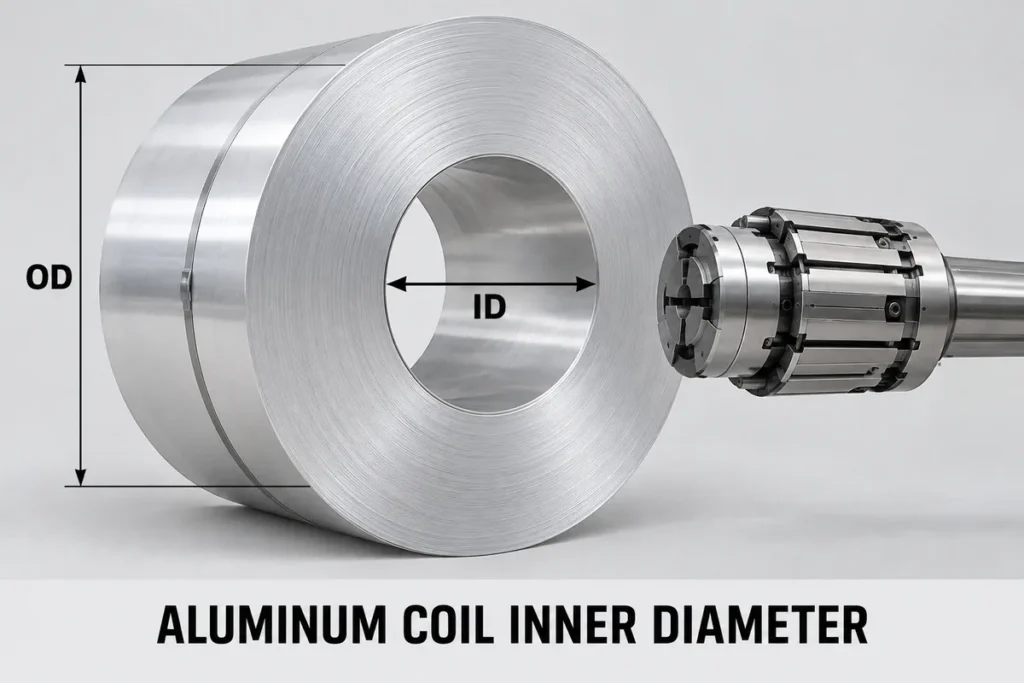
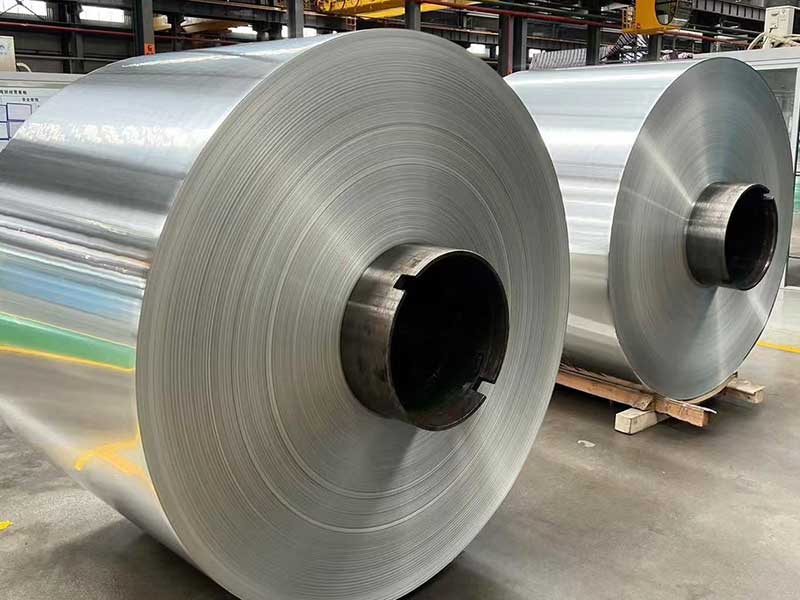
Aluminum coil inner diameter is the diameter of the central opening, often called the coil eye. It determines whether the coil can be loaded onto an expanding mandrel, shaft, decoiler, or processing line without an adapter or repackaging. A mismatch can delay production, reduce gripping stability, damage the inner wraps, or create an unsafe handling […]
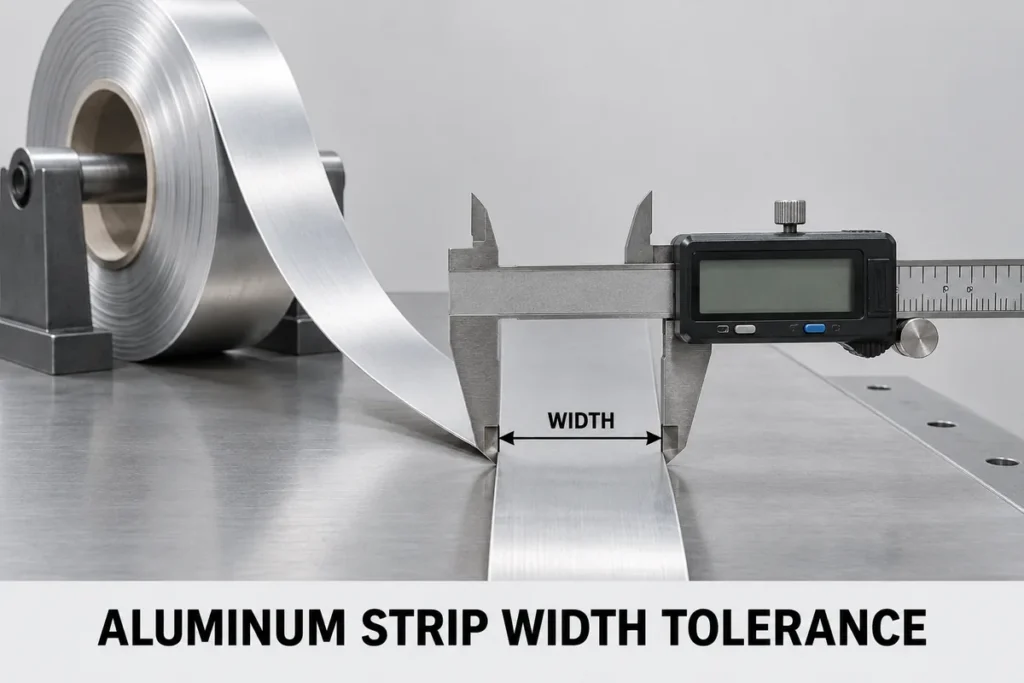
Aluminum strip width tolerance affects feeder setup, stamping location, roll-forming stability, seam alignment, scrap rate, and finished-part geometry. A nominal width alone is not a complete requirement. Buyers also need a measurement method, sampling plan, edge condition, camber limit, winding specification, and traceability. This guide explains how to specify aluminum strip width tolerance for slit […]
Understand aluminum sheet gauge and thickness, mm and inch conversion, tolerances, alloy selection and how to specify material for industrial projects.
Choosing between 5052 vs 6061 aluminum sheet is a part-design decision, not a contest with one universal winner. The correct material depends on required strength, bend severity, joining method, corrosion exposure, surface finish, dimensional tolerance, certification, and the condition in which the finished component must perform. A reliable 5052 vs 6061 aluminum sheet comparison must […]
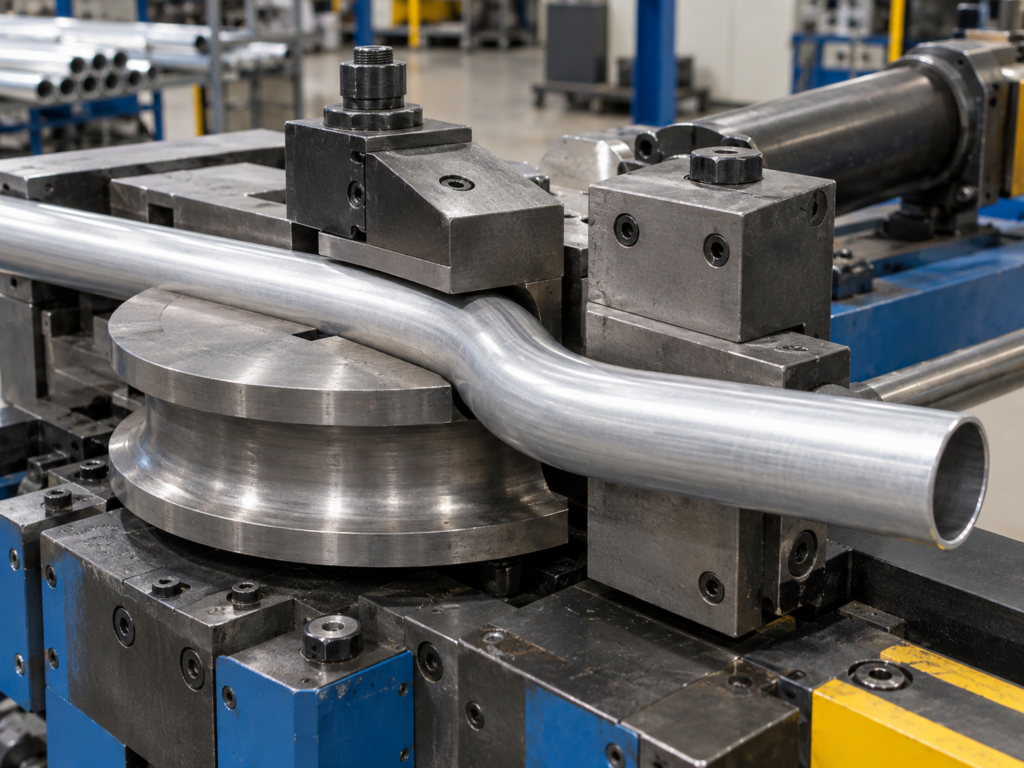
Aluminum tube bend radius is not a single catalog number that applies to every tube. A workable radius depends on alloy, temper, product form, outside diameter, wall thickness, seam condition, bend angle, tooling, lubrication, surface finish, required ovality, wall thinning, and dimensional tolerance. Engineering and purchasing teams should define aluminum tube bend radius at the […]
Aluminum coil surface treatment determines more than appearance. It can affect corrosion performance, paint adhesion, bonding, forming behavior, cleaning, electrical contact, and the consistency of the finished component. A reliable specification starts with the final use and identifies each layer or condition applied to the metal. This guide helps procurement, engineering, and quality teams define […]
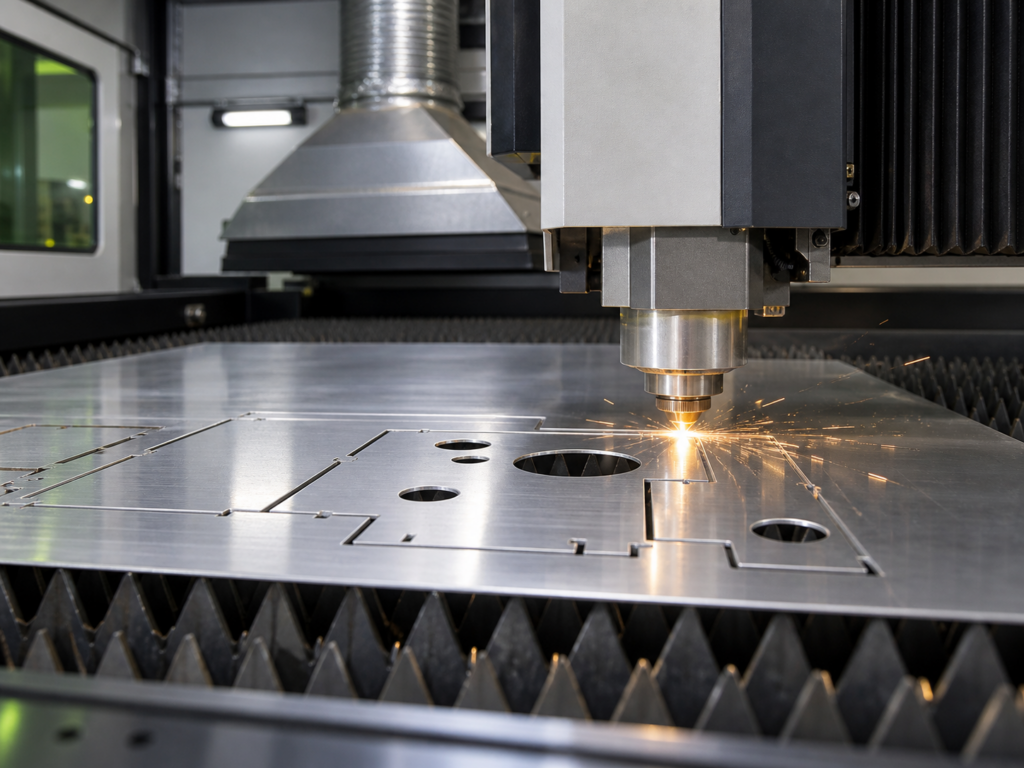
Aluminum sheet laser cutting can produce repeatable profiles, holes, slots, and nests when the material specification, machine capability, process settings, and acceptance criteria are developed together. Buying sheet only by alloy name and nominal thickness leaves the fabricator to manage flatness, surface condition, protective film, edge quality, and traceability without a shared target. A practical […]
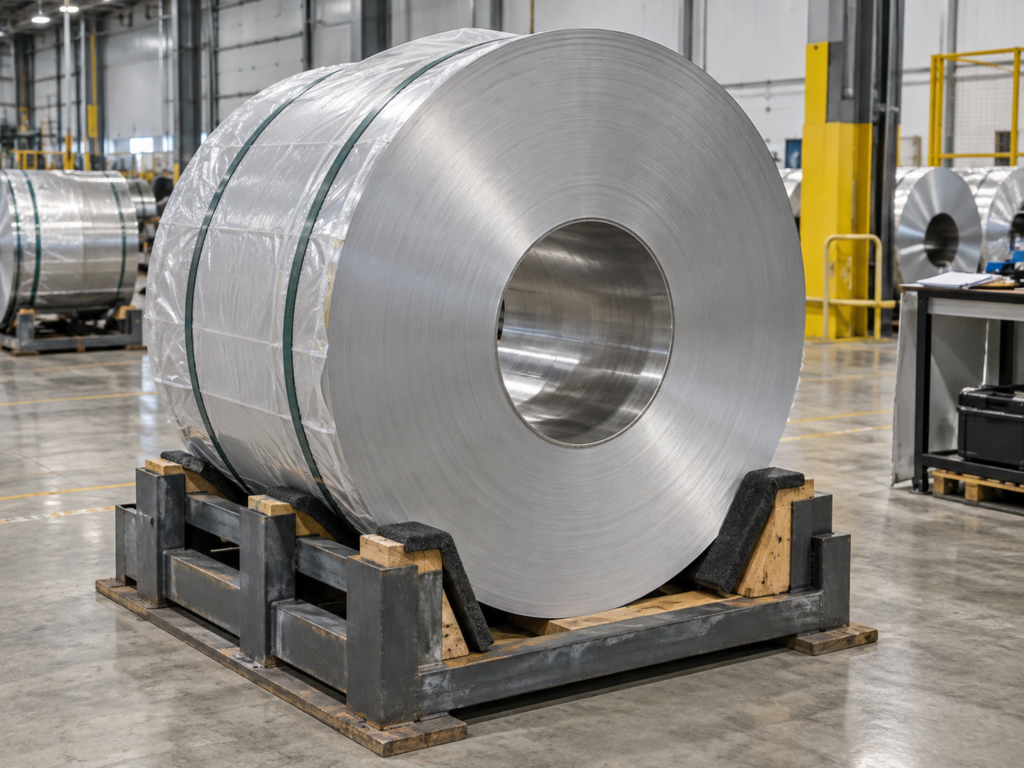
Aluminum coil storage protects surface quality, coil shape, packaging integrity, and operator safety between delivery and processing. The main controls are straightforward: receive the coil carefully, keep water away, prevent condensation, support the load correctly, preserve traceability, and inspect stored material on a defined schedule. A useful aluminum coil storage plan is specific to the […]
A 1050 vs 1060 aluminum sheet comparison is relevant when a buyer needs commercially pure aluminum for forming, electrical or thermal functions, chemical equipment, reflectors, signs, nameplates, or general fabrication without high structural strength. The correct 1050 vs 1060 aluminum sheet choice depends on the governing designation system, temper, thickness, conductivity requirement, fabrication, surface finish, […]
The 5083 vs 5086 aluminum plate decision applies mainly to welded structures and marine or corrosive environments where alloy, temper, thickness, fabrication, and governing approval must work together. Neither designation should be selected from a generic claim that one grade is always better. This 5083 vs 5086 aluminum plate guide helps engineers and buyers compare […]


 English
  Korean
  Arabic
  Vietnamese