

Mục lục
The decision behind copper plate contact faces
For an order involving copper plate contact faces, a clear technical handover matters. Treat the contact face as a functional feature with its own finish and flatness needs. A clean-looking copper plate can still produce an inconsistent bolted contact. This guide explains what to put in the inquiry, what to check before release and which records make the delivery reviewable.
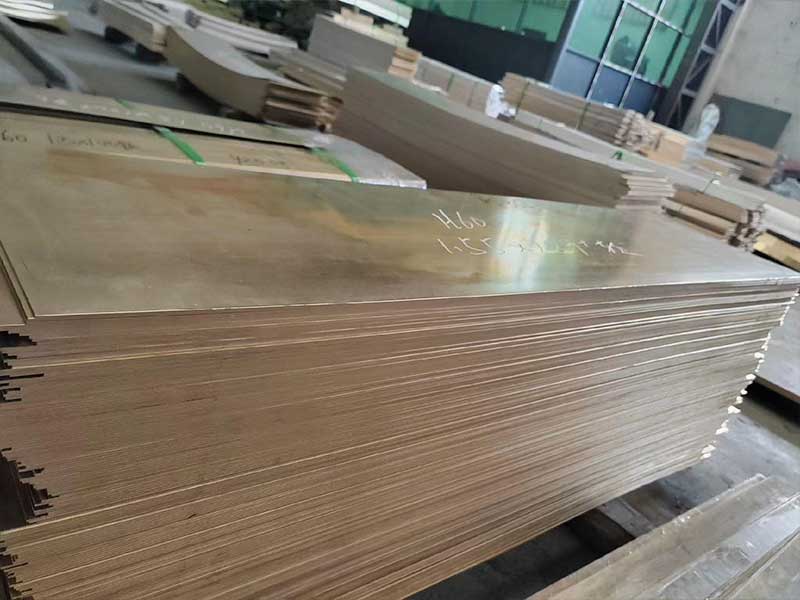
Xác định vật liệu và điều kiện được cung cấp
The copper product description must identify both form and material condition. Plate, rod, flat strip, tubing and a finished electrical winding have different specifications. A website heading or the word coil should not replace a drawing when the form is ambiguous. Ask the supplier to confirm the actual section and intended supplied condition before discussing dimensions, quantity or a production date.
For copper procurement, distinguish chemical identity, measured electrical properties, geometry and commercial settlement. These are separate questions and may require different records. An electrical application should state its relevant acceptance requirement, while scrap requires an agreed material category and settlement method. This article provides no live copper quotation or unverified purity guarantee.
Cutting changes the edge condition and can affect the material immediately beside the cut. Identify any edge that becomes a weld preparation, mating surface or machining datum. The order should say who removes burrs, scale and damaged material. Include the removal allowance in the blank size instead of assuming the downstream shop can recover a finished dimension from any supplied edge.
Chọn bằng chứng đóng yêu cầu
For copper plate contact faces, the starting evidence is a contact-face drawing, surface requirement and assembly verification plan. Link it to the actual drawing revision and supplied batch. If an item is missing, ask a specific question before treating the offer as complete.
Đóng gói nên bảo vệ tính năng quan trọng đối với người mua. bảo vệ cạnh có thể hữu ích hơn cho các đầu hàn đã chuẩn bị, trong khi các dải phân cách và bảo vệ mặt quan trọng cho một kết thúc tiếp xúc. chọn hỗ trợ phân phối tải mà không để lại ấn tượng địa phương. tài liệu điều kiện gói trước khi gửi đi để xử lý thiệt hại có thể được phân biệt với một điều kiện hiện tại trước khi vận chuyển.
So sánh ba cách để đặt hàng
The comparison below concerns copper plate contact faces. It compares purchasing scope and evidence rather than claiming that one material grade is universally superior. Select the route that closes the requirement stated by the buyer.
Separate the contact face from non-contact surfaces in the plate specification. Identify whether plating or another finish is planned and who verifies the final interface. Ask the assembly designer to define the required validation and connection arrangement. A material order can supply the specified plate condition, while the completed joint still requires its own approved assembly and inspection route.
| Cách tiếp cận đặt hàng | Vật tư người mua | Những gì còn lại để xác minh |
|---|---|---|
| Đơn hàng tồn kho-vật liệu | Copper Plate grade, size and condition | Contact area and any downstream preparation |
| Phạm vi cung cấp chuẩn bị | Controlled drawing plus joint-face condition | Bao gồm các hoạt động, giai đoạn kiểm tra và số lượng có thể sử dụng |
| Cung cấp thử nghiệm hoặc xem xét dự án | A contact-face drawing, surface requirement and assembly verification plan | Phiên tòa đại diện và phê duyệt sai lệch bằng văn bản |
Inspection checks for copper plate contact faces
Show the current path and the contact faces on the assembly drawing. State the surface and flatness requirement relevant to the joint. Have the responsible designer specify the assembly verification. A bulk material conductivity value does not by itself establish the quality of the bolted contact.
Inspection timing affects what can still be corrected economically. Check material identity before cutting, critical dimensions before finishing and the required final condition before packing. A late inspection may discover a recoverable problem only after the identifying marks or machining allowance have been removed. Agree the inspection sequence with the fabrication route rather than using one final visual check for everything.
Surface acceptance should follow the end use. A machining blank, a coated structural plate and an exposed decorative panel need different descriptions of an acceptable surface. Identify the functional or visible face and show the areas where marks are restricted. Photographs help communicate appearance, but a controlled sample or written criterion provides a more dependable basis for acceptance.
Một ví dụ mua hàng thực t
Consider this illustrative situation: A busbar assembly clamps two machined copper plates together. Agree the joint-face condition and inspection before quoting a general plate finish. This is a decision example, not a claimed customer case or a measured project result.
The first action is to make the uncertainty explicit: treat the contact face as a functional feature with its own finish and flatness needs. Put the affected requirement on the drawing or order review. Ask for a contact-face drawing, surface requirement and assembly verification plan, and identify who can approve any deviation. This keeps the commercial decision tied to the feature that controls use.
Thông tin cần đưa vào yêu cầu báo giá
A useful inquiry for copper plate contact faces identifies the required product form, material designation, dimensions, quantity basis and the operation that follows delivery. Attach the controlled drawing where geometry matters. State the inspection requirement and distinguish included work from optional services.
Ask the offer to address contact area explicitly. Give joint-face condition its own requirement or review question, then identify how assembly verification will be closed. If the supplier proposes a different basis, preserve that proposal beside the original requirement. This makes the buyer’s approval specific enough to guide receiving inspection.
List these topic-specific checkpoints separately: contact area, joint-face condition, assembly verification. For each checkpoint, provide the applicable requirement or ask the supplier to state a proposed method for review. Do not silently turn an unspecified value into a supplier guarantee.

Thử nghiệm, đóng gói và nhận bàn giao
The material certificate and dimensional report answer different questions. The certificate identifies the batch and reports the specified material tests. The dimensional report records the inspected geometry. Keep both connected to the delivered plate or part. A satisfactory document in one category does not close an unresolved requirement in the other.
At the handover, connect the physical copper plate supply to the requirement discussed here. The receiving team needs to know the importance of contact area, the agreed treatment of joint-face condition and the release basis for assembly verification. Keep the original material identity and the relevant evidence together. If that link is incomplete, identify the gap before the material enters the next operation.
Use the first supplied lot to verify assumptions about the actual process. Choose a representative piece or roll and record the normal equipment, settings and finishing route. The purpose is to test the agreed requirement under realistic conditions. A demonstration made with unusual settings or hand-selected material should not silently become the approval for an entire production order.
Giải quyết các sai lệch trước khi phát hành sản xuất
Ước tính khối lượng từ kích thước phù hợp và giả định mật độ đã nêu.Chuyển đổi tất cả các kích thước thành một hệ thống đơn vị trước khi tính toán khối lượng.Chỉ sử dụng kết quả cho việc lập kế hoạch trừ khi hợp đồng thông qua rõ ràng khối lượng lý thuyết để giải quyết.Sự thay đổi độ dày thực tế, cắt bỏ, lớp phủ và đóng gói có thể giải thích sự khác biệt giữa một phép tính danh nghĩa và đọc quy mô.
The central risk remains clear: a clean-looking copper plate can still produce an inconsistent bolted contact. A deviation affecting that risk needs an explicit disposition. Accept, rework, replace or revise the requirement only through the agreed technical and commercial route. Keep the decision with the batch record so the same question does not return at installation.
Tham khảo: Copper Development Association technical resources.
Thảo luận về phạm vi cung cấp thực t
Xem lại danh sách copper plate product và các copper products range khi chuẩn bị yêu cầu. sẵn có, xử lý bổ sung và các thử nghiệm đặc biệt cần xác nhận cho đơn đặt hàng thực tế. Các trang dịch vụ mô tả tư vấn và hỗ trợ giao hàng.
To discuss copper plate contact faces, send the drawing revision, material requirement, quantity and desired delivery location through the inquiry form below. Include the critical checkpoint and the evidence you expect before release. A precise requirement makes it easier to receive comparable offers and a usable delivery plan.
Những câu hỏi thường gặp
What is the first step when specifying copper plate contact faces?
Treat the contact face as a functional feature with its own finish and flatness needs. Put the requirement into the controlled inquiry and identify the record used for acceptance.
Which records matter for copper plate contact faces?
A contact-face drawing, surface requirement and assembly verification plan. They should identify the delivered batch and the applicable drawing or specification.
Một bức ảnh có thể thay thế báo cáo kiểm tra không?
Một bức ảnh có thể hiển thị hình thức và điều kiện có thể nhìn thấy.Nó không thể thiết lập mọi kích thước, nhận dạng hợp kim, tài sản vật liệu hoặc phê duyệt ứng dụng.Sử dụng bằng chứng kiểm tra đã thỏa thuận cho đặc tính được chấp nhận.
Có nên chấp nhận báo giá thấp hơn ngay lập tức?
Compare the same supplied condition, processing scope and inspection basis first. For this order, review contact area and assembly verification before deciding whether the offers are equivalent.
Thông tin nào giúp nhà cung cấp phản hồi chính xác?
Provide the product form, material designation, controlled drawing, quantity and intended next operation. Include the copper plate contact faces requirement and ask the supplier to list deviations and confirm the offered scope.
 Vietnamese
 English
 Korean
 Arabic