

Table of Contents
The decision behind steel base plate holes
For an order involving steel base plate holes, a clear technical handover matters. Freeze the anchor pattern from a controlled drawing before cutting the blank. A plate can meet its outside dimensions and still fail erection because the hole datum differs from the anchor template. This guide explains what to put in the inquiry, what to check before release and which records make the delivery reviewable.
Define the supplied material and condition
Specify the actual steel grade and delivery condition required by the drawing. Carbon steel, marine plate, coil feedstock and precision tube are different product choices even when they share a similar appearance. This article addresses a procurement decision; it does not assign structural capacity, pressure rating or classification approval to an unspecified product. Ask for the relevant order documentation rather than inferring compliance from a catalogue description.
Separate a material requirement from a fabrication service. Cutting, beveling, rolling, machining and testing may be requested, but each operation needs confirmed scope, acceptance and availability. The quotation should make that scope explicit. Keep any proposed change in product form or process visible for the purchaser’s technical review before production begins.
Stock utilization depends on more than geometric nesting. Kerf, edge trimming, material direction, lifting access and identification space can all affect the number of accepted blanks. Compare plans on the same finished-part requirements. A layout with a higher apparent percentage may produce less useful material when secondary operations and required clearances are included.
Choose the evidence that closes the requirement
For steel base plate holes, the starting evidence is an approved hole-coordinate drawing, hole-diameter acceptance limits and a first-piece dimensional report. Link it to the actual drawing revision and supplied batch. If an item is missing, ask a specific question before treating the offer as complete.
Estimate mass from consistent dimensions and a stated density assumption. Convert all dimensions to one unit system before calculating volume. Use the result for planning only unless the contract explicitly adopts theoretical mass for settlement. Actual thickness variation, cutouts, coatings and packing can explain differences between a nominal calculation and the scale reading.
Compare three ways to place the order
The comparison below concerns steel base plate holes. It compares purchasing scope and evidence rather than claiming that one material grade is universally superior. Select the route that closes the requirement stated by the buyer.
Prepare a first-piece sheet that lists each hole by identifier rather than an unlabelled sequence of readings. Show the X and Y position from the approved origin, the measured diameter and the drawing revision. If the anchor template differs, stop at that interface and resolve which document controls. Enlarging holes as an informal site remedy can affect the connection and requires the responsible designer’s decision.
| Order approach | Buyer supplies | What remains to verify |
|---|---|---|
| Stock-material order | Carbon Steel Plate grade, size and condition | Coordinate origin and any downstream preparation |
| Prepared supply scope | Controlled drawing plus hole diameter | Included operations, inspection stage and usable quantity |
| Trial or project-reviewed supply | An approved hole-coordinate drawing, hole-diameter acceptance limits and a first-piece dimensional report | Representative trial and written deviation approval |
Inspection checks for steel base plate holes
Read hole coordinates from one declared origin. If two edges are used as datums, show their relationship and identify which controls fabrication. Check hole diameter and centre position separately. A generous hole diameter does not automatically correct an anchor pattern shifted in the wrong direction.
Packing should protect the feature that matters to the buyer. Edge guards may be more useful for prepared weld ends, while separators and face protection matter for an exposed finish. Select supports that distribute the load without leaving local impressions. Document the package condition before dispatch so handling damage can be distinguished from a condition present before transport.
A plate order should distinguish stock dimensions from the dimensions of the finished component. Length and width may describe the parent plate, a rough blank or a completed part. Show which interpretation applies on the drawing and state where subsequent machining or trimming will occur. This prevents a supplier from pricing a rough blank against a requirement that the workshop interprets as a finished item.
A practical purchasing example
Consider this illustrative situation: A fabricator receives two drawings that place the same anchor pattern from different edges. Reconcile the datum before releasing the nesting file. This is a decision example, not a claimed customer case or a measured project result.
The first action is to make the uncertainty explicit: freeze the anchor pattern from a controlled drawing before cutting the blank. Put the affected requirement on the drawing or order review. Ask for an approved hole-coordinate drawing, hole-diameter acceptance limits and a first-piece dimensional report, and identify who can approve any deviation. This keeps the commercial decision tied to the feature that controls use.
Information to include in the quotation request
A useful inquiry for steel base plate holes identifies the required product form, material designation, dimensions, quantity basis and the operation that follows delivery. Attach the controlled drawing where geometry matters. State the inspection requirement and distinguish included work from optional services.
Ask the offer to address coordinate origin explicitly. Give hole diameter its own requirement or review question, then identify how pattern orientation will be closed. If the supplier proposes a different basis, preserve that proposal beside the original requirement. This makes the buyer’s approval specific enough to guide receiving inspection.
List these topic-specific checkpoints separately: coordinate origin, hole diameter, pattern orientation. For each checkpoint, provide the applicable requirement or ask the supplier to state a proposed method for review. Do not silently turn an unspecified value into a supplier guarantee.
Trial, packing and receiving handover
The parent plate identity should remain connected to its cut parts. A practical system links the heat or batch record to the nesting plan, then assigns part marks before pieces leave the cutting area. Remnants need their own controlled identification. An invoice identifying the parent plate does not automatically identify loose blanks delivered later in an unmarked bundle.
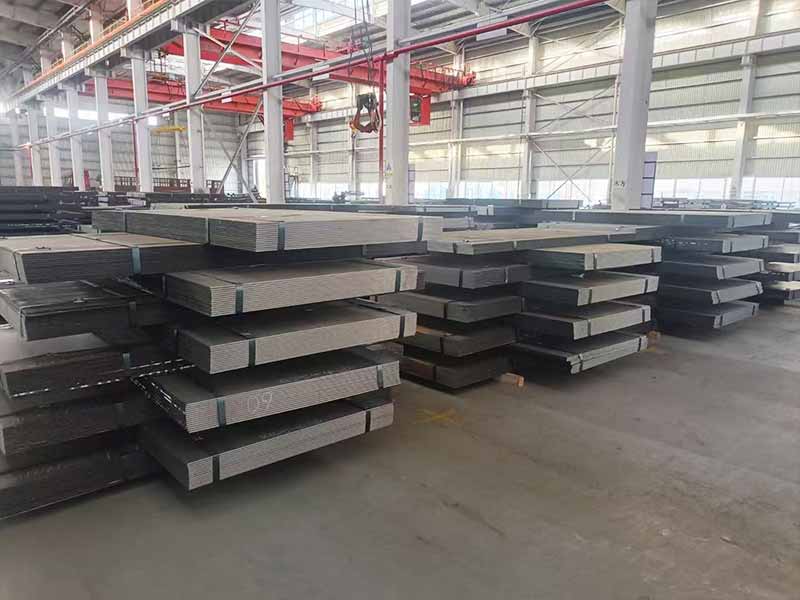
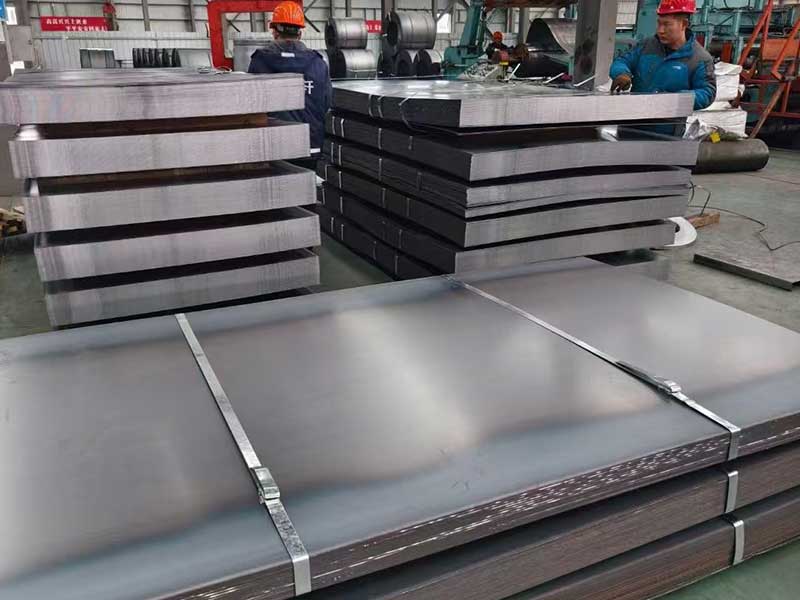
At the handover, connect the physical carbon steel plate supply to the requirement discussed here. The receiving team needs to know the importance of coordinate origin, the agreed treatment of hole diameter and the release basis for pattern orientation. Keep the original material identity and the relevant evidence together. If that link is incomplete, identify the gap before the material enters the next operation.
Document the handover between purchasing and production. The workshop needs the applicable drawing, material identity, supplied condition and any special handling or inspection instruction. An invoice and a delivery date do not communicate all of that. A short controlled handover avoids relying on a verbal explanation from the person who placed the order.
Resolve deviations before production release
Thickness needs a measurement convention. Establish the reference surface, the locations to be measured and whether the requirement concerns nominal stock or the minimum remaining section after processing. A measurement beside a damaged edge may not represent the working area. Record the actual readings with their locations so another inspector can repeat the check instead of comparing unexplained numbers.
The central risk remains clear: a plate can meet its outside dimensions and still fail erection because the hole datum differs from the anchor template. A deviation affecting that risk needs an explicit disposition. Accept, rework, replace or revise the requirement only through the agreed technical and commercial route. Keep the decision with the batch record so the same question does not return at installation.
Reference: ASTM steel product standards.
Discuss the actual supply scope
Review the listed carbon steel plate product and the steel plate & coil & pipe & round steel range when preparing the inquiry. Availability, additional processing and special tests need confirmation for the actual order. The service page describes consultation and delivery support.
To discuss steel base plate holes, send the drawing revision, material requirement, quantity and desired delivery location through the inquiry form below. Include the critical checkpoint and the evidence you expect before release. A precise requirement makes it easier to receive comparable offers and a usable delivery plan.
Frequently asked questions
What is the first step when specifying steel base plate holes?
Freeze the anchor pattern from a controlled drawing before cutting the blank. Put the requirement into the controlled inquiry and identify the record used for acceptance.
Which records matter for steel base plate holes?
An approved hole-coordinate drawing, hole-diameter acceptance limits and a first-piece dimensional report. They should identify the delivered batch and the applicable drawing or specification.
Can a photograph replace the inspection report?
A photograph can show visible form and condition. It cannot establish every dimension, alloy identity, material property or application approval. Use the agreed inspection evidence for the characteristic being accepted.
Should a lower quotation be accepted immediately?
Compare the same supplied condition, processing scope and inspection basis first. For this order, review coordinate origin and pattern orientation before deciding whether the offers are equivalent.
What information helps the supplier respond accurately?
Provide the product form, material designation, controlled drawing, quantity and intended next operation. Include the steel base plate holes requirement and ask the supplier to list deviations and confirm the offered scope.
 English
  Korean
  Arabic
  Vietnamese