

Table of Contents
The decision behind galvanized corrugated sheet coverage
For an order involving galvanized corrugated sheet coverage, a clear technical handover matters. Distinguish feedstock width, formed overall width and installed cover width. Pricing by unformed width can overstate the roof area covered by each finished sheet. This guide explains what to put in the inquiry, what to check before release and which records make the delivery reviewable.
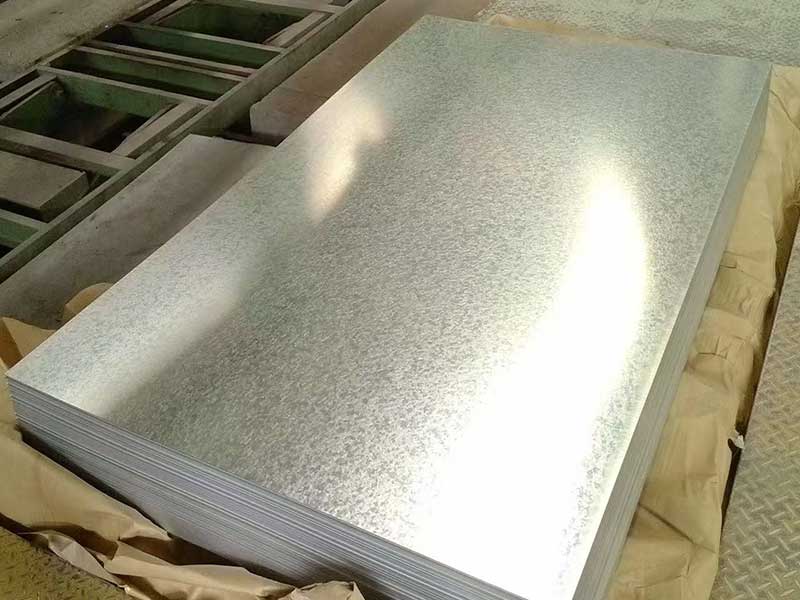
Define the supplied material and condition
Galvanized metal combines a steel product with a zinc-based protection system. Specify the substrate, product format and coating requirement together. Sheet, coil and pipe can follow different product standards and inspection conventions. A catalogue label does not establish the dimensional, coating or joining details of a particular purchase.
Review coating performance within the complete fabrication and installation route. Cutting, forming, painting and contact with adjoining materials can create additional requirements. Confirm the applicable technical specification and the supplied surface condition before releasing an order. This article does not promise a fixed coating life or establish suitability for potable-water or gas service.
Packing should protect both the coating and the finished geometry. Prevent abrasive contact at straps and edges, and choose support appropriate to the package mass. A cosmetic face may need a separate protection plan. Record how the material was packed so the receiving team can open and handle it without introducing avoidable marks.
Choose the evidence that closes the requirement
For galvanized corrugated sheet coverage, the starting evidence is the profile drawing, overlap detail and effective cover-width calculation. Link it to the actual drawing revision and supplied batch. If an item is missing, ask a specific question before treating the offer as complete.
Coating mass designations must retain their standard and units. Confirm whether the quoted figure represents a total for both faces or another convention. A familiar number without that information can be misleading. The order should state the full designation rather than a shortened commercial label copied from a previous project.
Compare three ways to place the order
The comparison below concerns galvanized corrugated sheet coverage. It compares purchasing scope and evidence rather than claiming that one material grade is universally superior. Select the route that closes the requirement stated by the buyer.
Prepare the roofing quantity calculation from effective cover area. Show sheet length, cover width and the overlap assumptions used by the approved detail. Include cutting and end-lap effects where they apply. Comparing price per unformed metre without that conversion can give a misleading installed cost even when both quotations use the same commercial sheet width.
| Order approach | Buyer supplies | What remains to verify |
|---|---|---|
| Stock-material order | Galvanized Sheet grade, size and condition | Feedstock width and any downstream preparation |
| Prepared supply scope | Controlled drawing plus cover width | Included operations, inspection stage and usable quantity |
| Trial or project-reviewed supply | The profile drawing, overlap detail and effective cover-width calculation | Representative trial and written deviation approval |
Inspection checks for galvanized corrugated sheet coverage
Use the profile drawing’s effective cover width after side laps. Check end laps and cutting losses separately when estimating required quantity. Feedstock width and formed overall width are different figures. Confirm which width the supplier uses in its commercial calculation.
Thickness figures need an explicit convention. State whether the requirement concerns bare steel thickness or the total coated thickness and identify the measurement method. Do not compare values reported on different bases without adjustment and technical review. This is especially relevant when the finished assembly depends on a minimum steel section.
Moisture trapped during storage can affect coated surfaces. Use the supplied storage instructions and examine damaged or damp packaging promptly. Keep photographs of the unopened load and the affected surfaces. Assessment should consider the actual coating condition and agreed acceptance criteria rather than relying on the appearance of a stain alone.
A practical purchasing example
Consider this illustrative situation: A roofing buyer compares two profiles sold at the same sheet width. Calculate installed coverage using the specified overlaps. This is a decision example, not a claimed customer case or a measured project result.
The first action is to make the uncertainty explicit: distinguish feedstock width, formed overall width and installed cover width. Put the affected requirement on the drawing or order review. Ask for the profile drawing, overlap detail and effective cover-width calculation, and identify who can approve any deviation. This keeps the commercial decision tied to the feature that controls use.
Information to include in the quotation request
A useful inquiry for galvanized corrugated sheet coverage identifies the required product form, material designation, dimensions, quantity basis and the operation that follows delivery. Attach the controlled drawing where geometry matters. State the inspection requirement and distinguish included work from optional services.
Ask the offer to address feedstock width explicitly. Give cover width its own requirement or review question, then identify how overlap detail will be closed. If the supplier proposes a different basis, preserve that proposal beside the original requirement. This makes the buyer’s approval specific enough to guide receiving inspection.
List these topic-specific checkpoints separately: feedstock width, cover width, overlap detail. For each checkpoint, provide the applicable requirement or ask the supplier to state a proposed method for review. Do not silently turn an unspecified value into a supplier guarantee.

Trial, packing and receiving handover
Coil and sheet formats require different receiving checks. Coil geometry must fit the payoff equipment, while cut sheets need the agreed length, squareness and free-state shape. If a processor converts the format, maintain source identity through that step. Inspect the delivered product in the condition the buyer actually ordered.
At the handover, connect the physical galvanized sheet supply to the requirement discussed here. The receiving team needs to know the importance of feedstock width, the agreed treatment of cover width and the release basis for overlap detail. Keep the original material identity and the relevant evidence together. If that link is incomplete, identify the gap before the material enters the next operation.
Compare total cost on accepted output. Include only costs that apply to the actual operation, such as preparation, yield loss, inspection and required finishing. State assumptions openly and update them after a representative trial. A theoretical saving is useful for planning, but it should not be presented as a demonstrated result.
Resolve deviations before production release
Coated sheet has at least two distinct purchasing requirements: the steel substrate and the coating system. Specify the substrate grade and condition alongside the coating type and designation. Similar appearance does not prove that two products share either characteristic. Ask the supplier to identify both parts of the description in the quotation and material record.
The central risk remains clear: pricing by unformed width can overstate the roof area covered by each finished sheet. A deviation affecting that risk needs an explicit disposition. Accept, rework, replace or revise the requirement only through the agreed technical and commercial route. Keep the decision with the batch record so the same question does not return at installation.
Reference: American Galvanizers Association inspection guidance.
Discuss the actual supply scope
Review the listed galvanized sheet product and the galvanized metal range when preparing the inquiry. Availability, additional processing and special tests need confirmation for the actual order. The service page describes consultation and delivery support.
To discuss galvanized corrugated sheet coverage, send the drawing revision, material requirement, quantity and desired delivery location through the inquiry form below. Include the critical checkpoint and the evidence you expect before release. A precise requirement makes it easier to receive comparable offers and a usable delivery plan.
Frequently asked questions
What is the first step when specifying galvanized corrugated sheet coverage?
Distinguish feedstock width, formed overall width and installed cover width. Put the requirement into the controlled inquiry and identify the record used for acceptance.
Which records matter for galvanized corrugated sheet coverage?
The profile drawing, overlap detail and effective cover-width calculation. They should identify the delivered batch and the applicable drawing or specification.
Can a photograph replace the inspection report?
A photograph can show visible form and condition. It cannot establish every dimension, alloy identity, material property or application approval. Use the agreed inspection evidence for the characteristic being accepted.
Should a lower quotation be accepted immediately?
Compare the same supplied condition, processing scope and inspection basis first. For this order, review feedstock width and overlap detail before deciding whether the offers are equivalent.
What information helps the supplier respond accurately?
Provide the product form, material designation, controlled drawing, quantity and intended next operation. Include the galvanized corrugated sheet coverage requirement and ask the supplier to list deviations and confirm the offered scope.
 English
 Korean
 Arabic
 Vietnamese